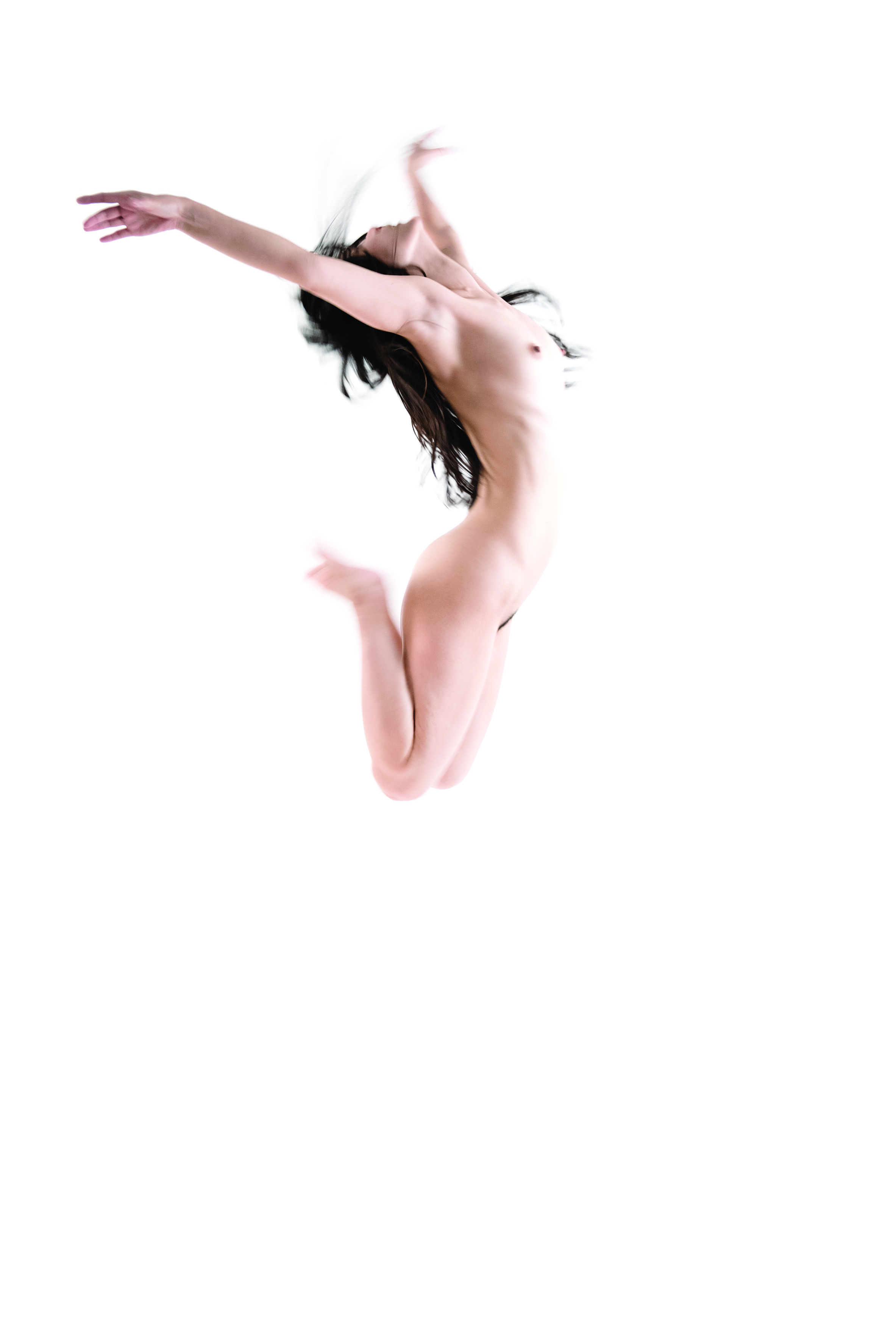
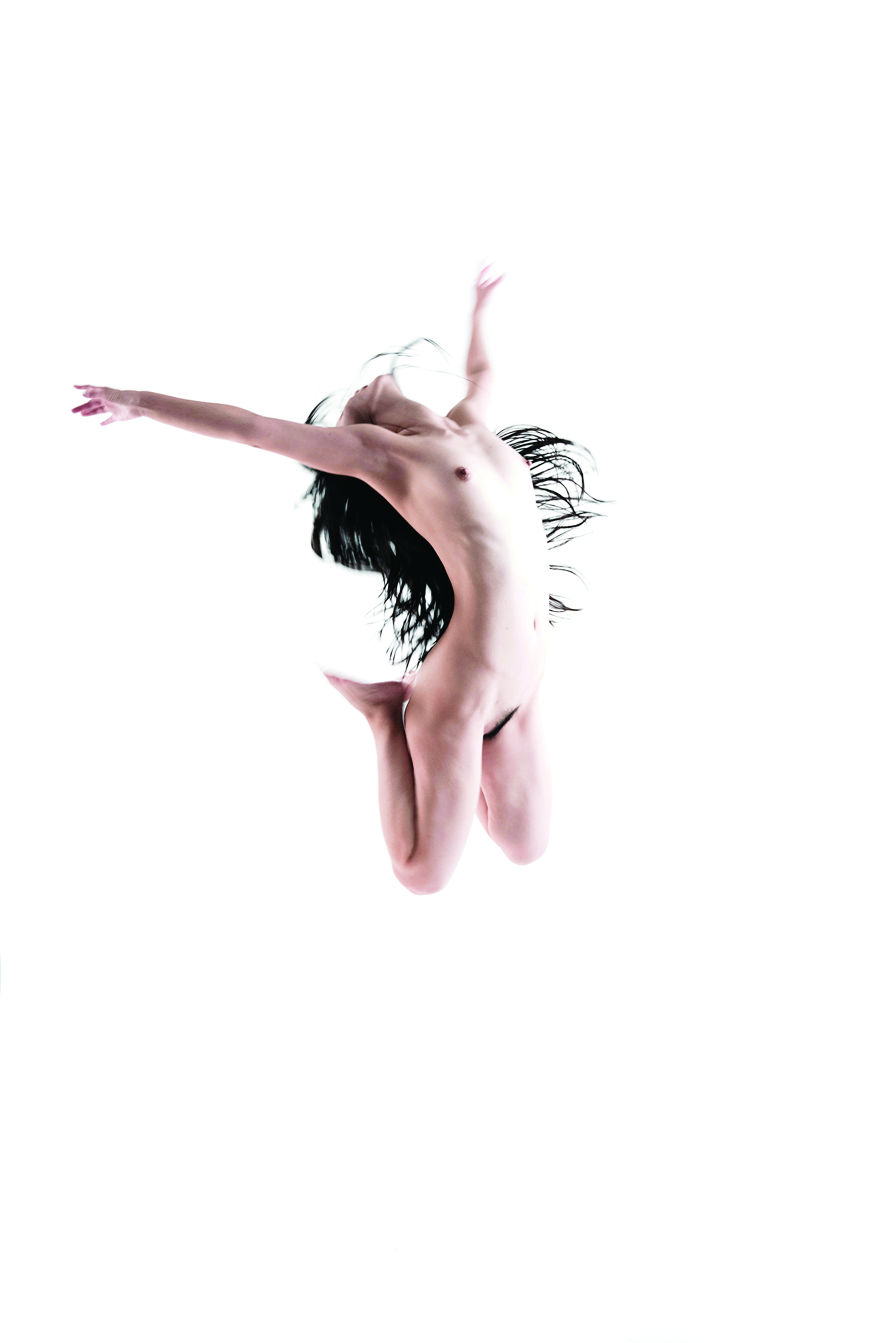
Born in Tehran, Iran. Shadi Rezaei is an artist who opens up a philosophical depth within her work, propelling it into the realms of the sublime.
Moving to London from Tehran in 2009, she completed an MA in Fine Arts from UAL, Chelsea College of Arts and Design in London in 2017.
The artist has exhibited nationally and internationally, selling works in both auctions and art fairs, and is the recipient of several artist awards. She has featured in group exhibitions at: The Royal College of Art, London, Fiumano Clase Gallery, London, Mall Galleries, London, Galerie Lympia, Nice, Kamil Gallery, Monaco, Nouvelle Vague, Marbella and with We R The Nomads, Marrakech. She has also been featured on panels and in publications.
Many medias such as video, hand-stitching, painting and photography are utilised in artworks; the artist’s interests lying in portraiture, nudes — more recently geometry and tapestries. Artworks sprung from the artist’s lucid dreams offer visual stimulation and prompt thought.
A standout feature of Shadi Rezaei’s artworks are the paradoxes providing layers within them. To start, there is a significant paradox between the artist’s past life in Iran and present life in the West. Artworks capture transience in images of movement or flight, like the artist’s transit from her homeland.
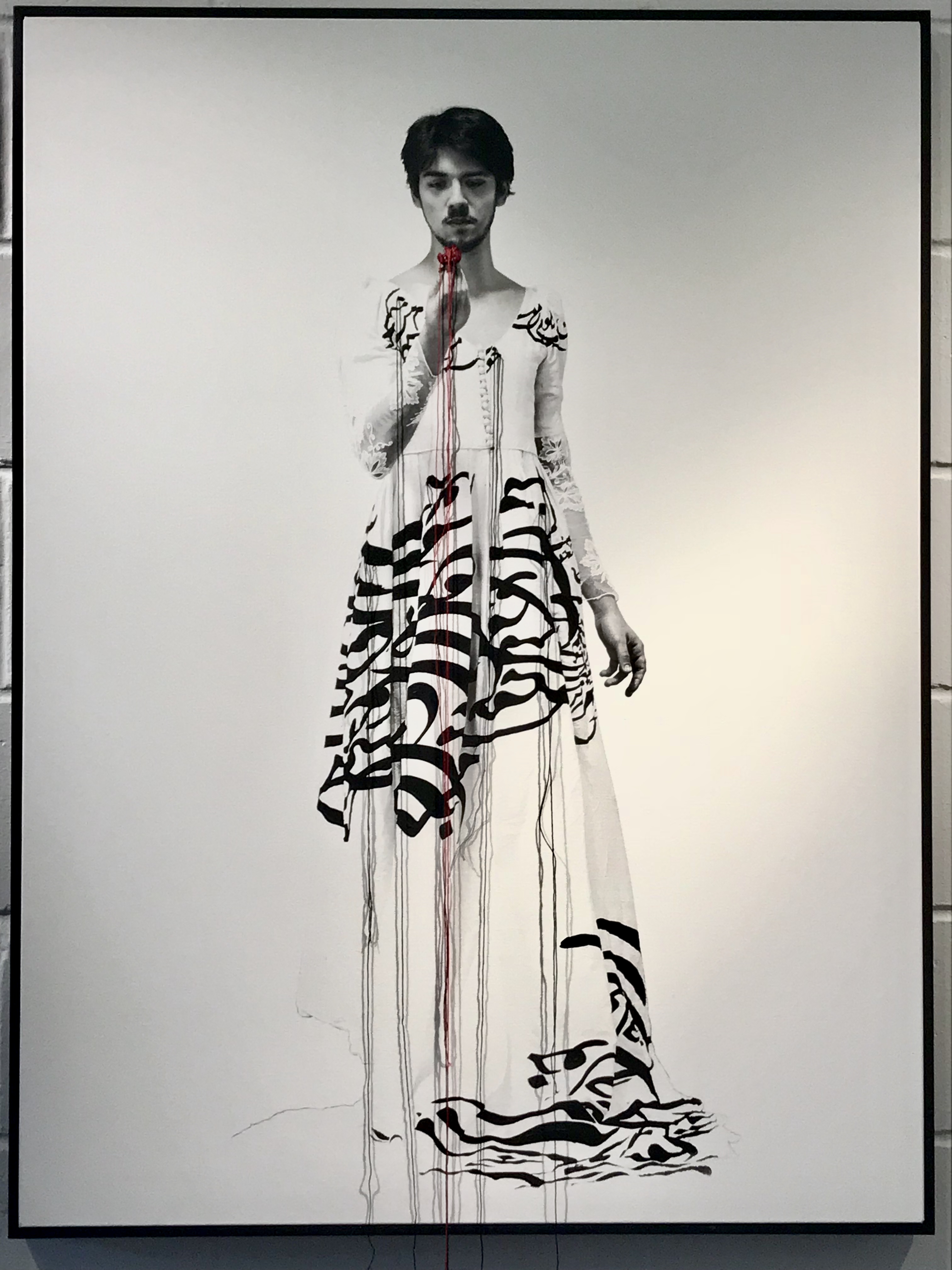
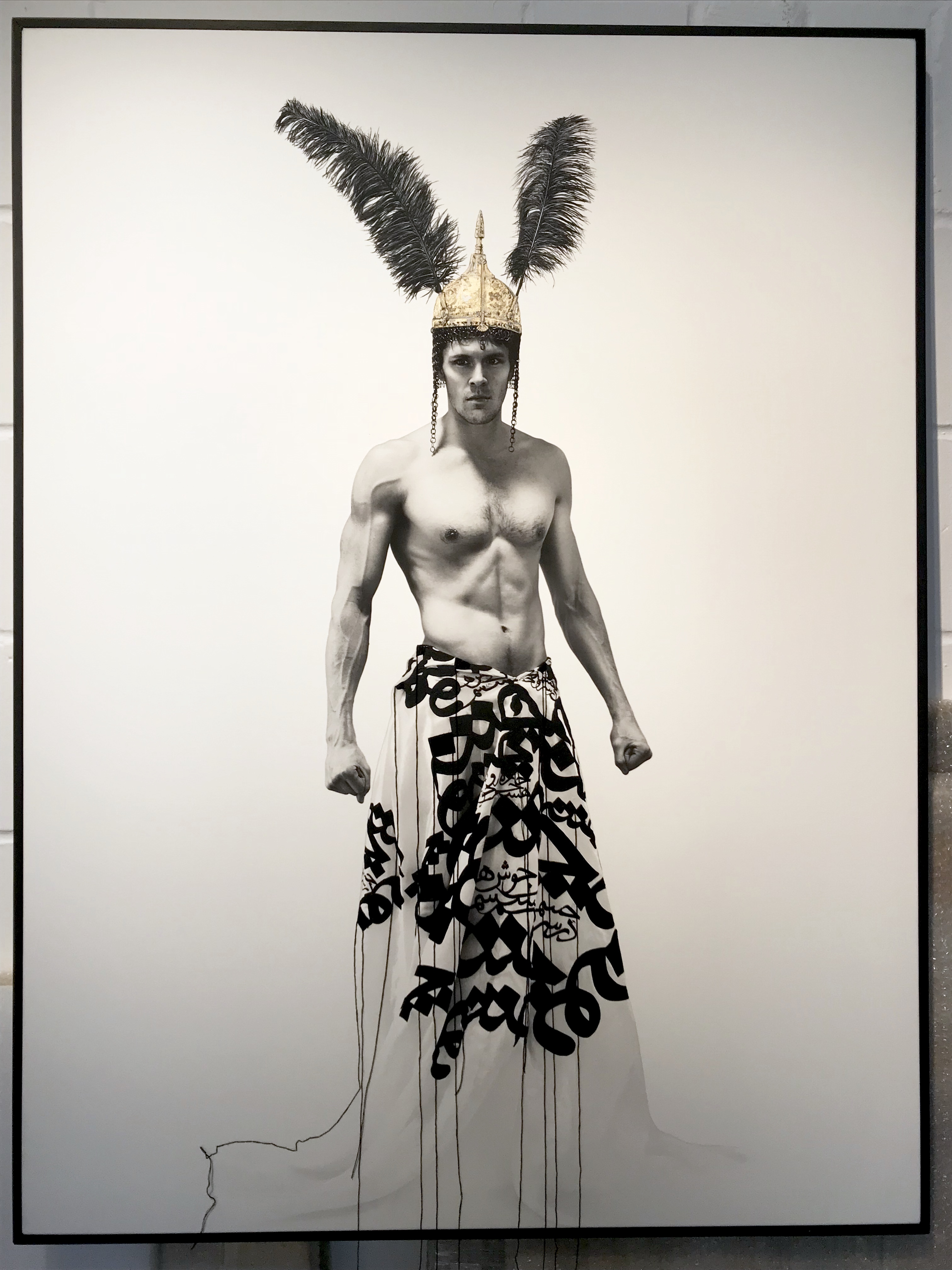
Other paradoxes explored are those of: femininity/masculinity, beauty/ugliness, pain/pleasure, power/weakness and stability/instability. For example, works that draw upon themes of femininity and masculinity are the artist’s photographs of men in white bridal dresses from the I Am Not I, Nor Am I series, challenging gender constructs.
‘Master; don’t say I am “I”, I am not “I”, nor am I, If you are you and I am I, I am not “I”, I am the "Not-I"’, Rumi
White as a colour is a symbol of feminine chastity and wedding dresses are traditional women’s garb. However, research into past clothing history shows that men have worn dresses, and the artist uses this fact to play upon the idea that what was once acceptable, is not now — in some cultures, men wearing women’s clothing is extremely taboo. Rezaei handmade the gowns in her photographs and written on them is the poetry and stories of Persian poet, scholar, theologian and Sufi mystic Rumi and Italian poet Dante. Again, this elaborates on the paradoxical nature of the artist’s body of work: Rumi is from the East and Dante from the West. The artist leaves threads hanging from the gowns, to entice the observer into closer inspection. Similar to the unfinished dresses, many stories in life itself are left untold, and she enthuses people to weave their own narratives from and to her artworks.
The artist is continually adding to artworks, applying new elements of geometry, is inspired by astrology and persists in progressing her craft skills. It must be said that every piece Shadi Rezaei makes has a distinct, ethereal aesthetic quality to it, underpinning it as hers. In this case, this is what gives it a unique sense of beauty through personal identity.
%2080x120cm%20.jpg)