Born in Shiraz, the capital of Fars province, Iran. Ali Sabouki lives and works in Tehran. He seeks to find truth through art, connecting life’s spirit with infinite wisdom.
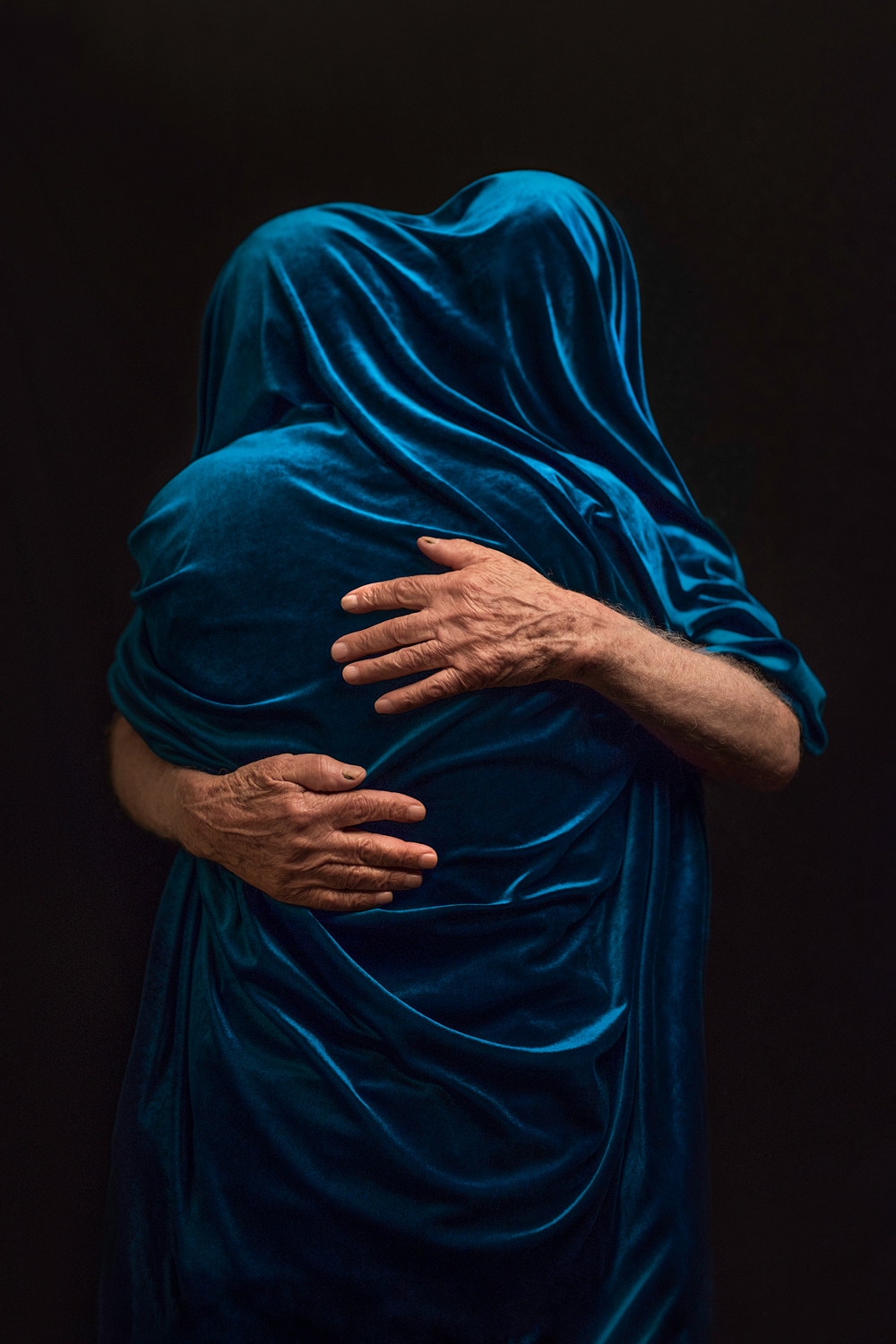
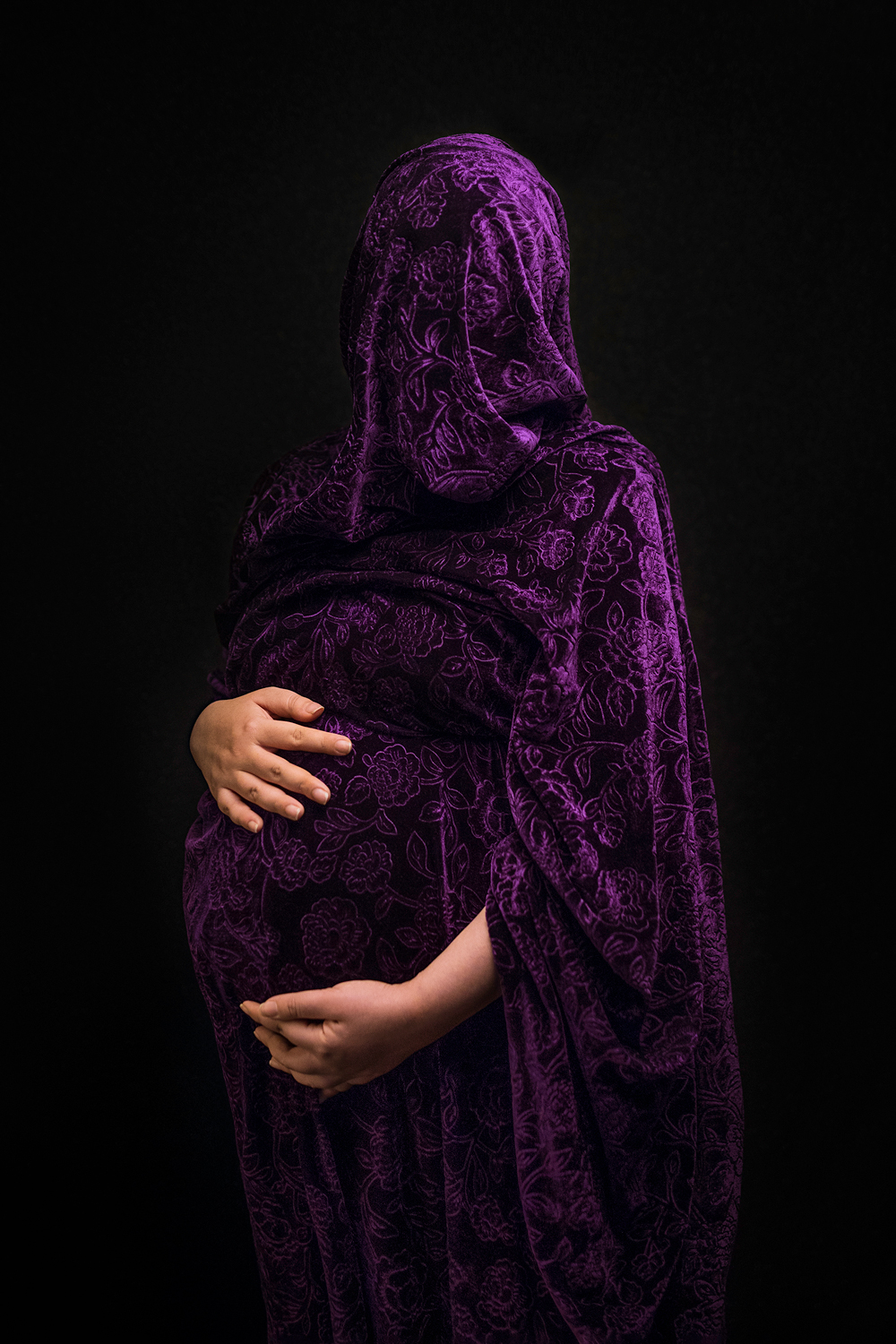
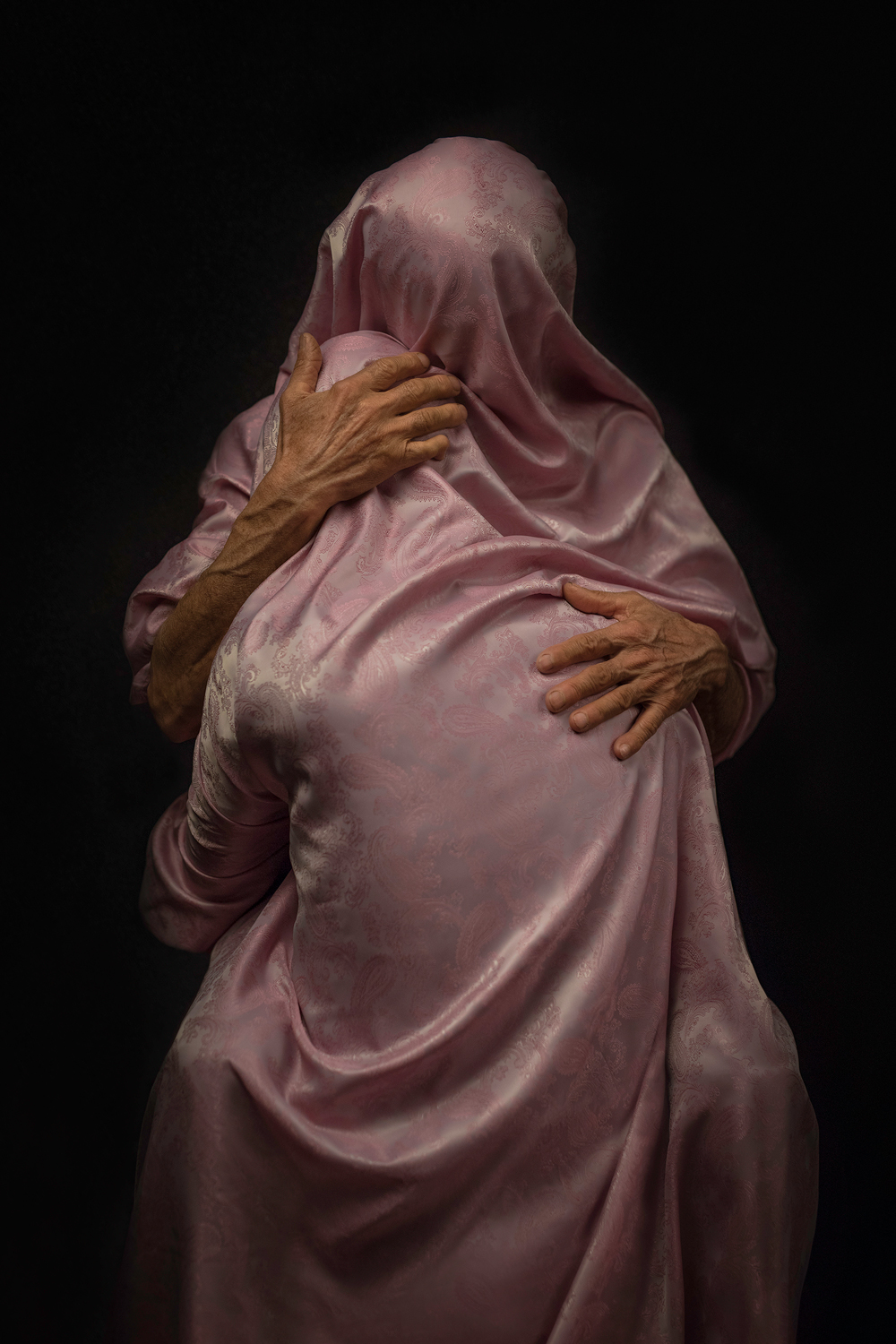
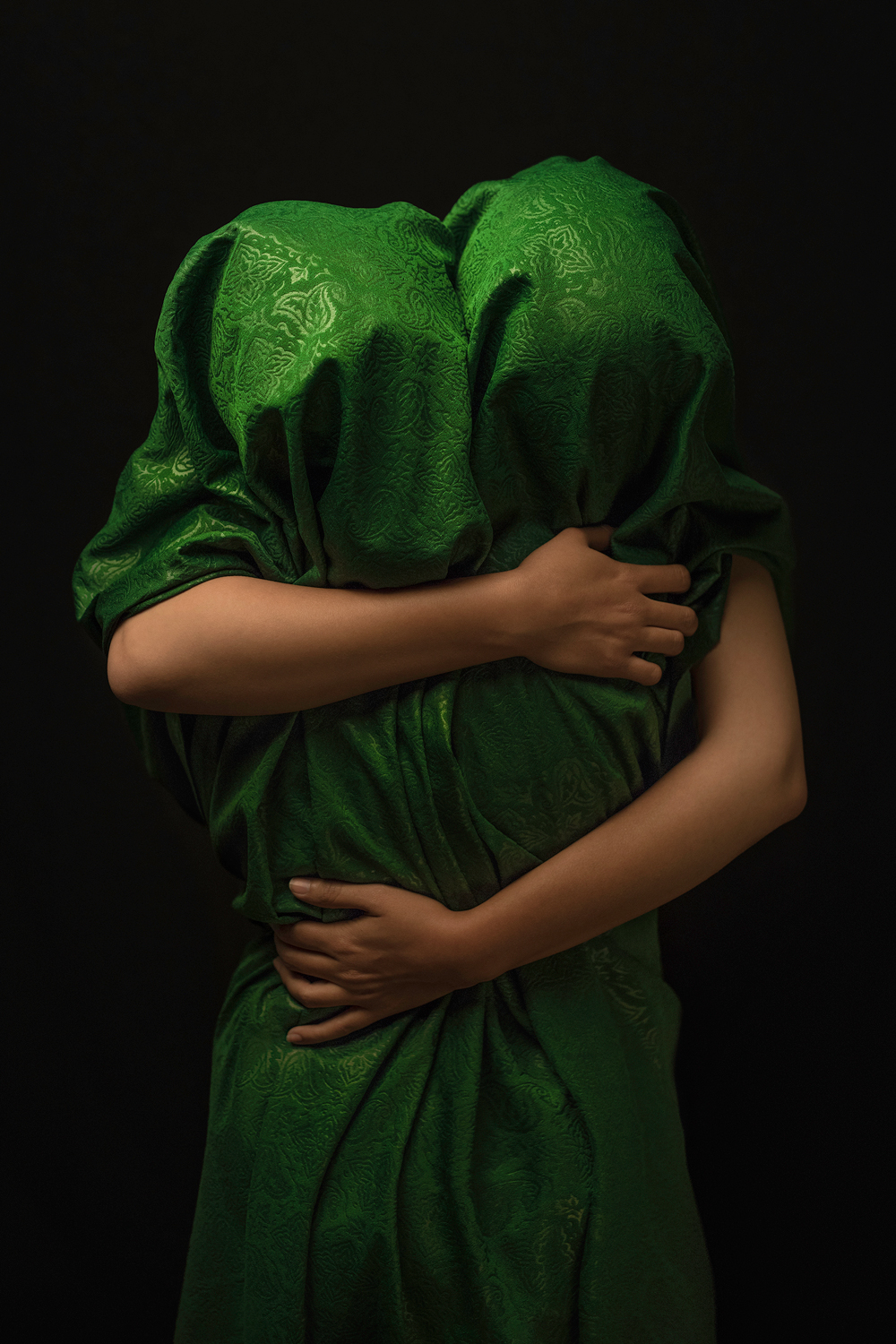
A graduate from The University of Art in Tehran (2008), the artist majored in Set Design, whilst gaining expertise in other areas such as cinema and theatre. These components in the artist’s education add to the richness of his photographic compositions — carefully fashioned models are suspended in tableau vivant.
In the past, Ali has worked with Araz Fazaeli of The Tehran Times in fashion styled photo-shoots, and his photo of a Qashqai girl in a red sequin traditional folk costume was published in Vogue Italia, 2017. Ali also teaches conceptual photography, providing workshops and mentorship to Iranian students.
The artist’s standout work is his portraiture, with dark backdrops and turbans in opulent Titian reds — portraits emulate that of 16th century Renaissance paintings. Artworks make reference to historical events, such as earlier in 1453, when Muslim Ottoman armies invaded Europe. The capital of the Byzantine Empire at the time was Constantinople; therefore, control was seized by the Turks. This signified the end of the Medieval period. Sultan Mehmed II made Constantinople his capital. Italian Renaissance painter Gentile Bellini was sent by the Venetian government to work for Sultan Mehmed II. He painted Mehmed’s portrait in turban and Titian red clothing against a black background.
Surrounding Mehmed II in the lavish painting are encrusted jewels and crowns, traditional symbols of royalty. Sabouki’s photographs of both men and women replicate this style of painting. In one particular portrait, a paler complexioned male model (probably from the Northern Persian-Turk part of Iran) is almost identical to Sultan Mehmed II in appearance. However, in Ali Sabouki’s photographs, models stare intensely at the camera, whereas in Bellini and later Paolo Veronese’s paintings of Sultan Mehmed II, Mehmed poses sideways.
Other Renaissance influences can be seen in Sabouki’s portraits of women with flowing thick brown hair, and again, the photos have black backgrounds and the clothing is Renaissance colours. The hair in the photographs is similar to German Renaissance painter Albrecht Dürer’s Self Portrait.
Sabouki’s images also survey the everyday and express beauty in what would be considered ordinary. For example, an embrace between two people, a statue catching the light, a vase of fresh flowers on a rug and hands full of fruits and nuts. In this respect, his work can be viewed as quite Persian in poeticism.