Iranian by birth, artist Afshin Naghouni (Ash) now lives and works in London. Considered a child prodigy, Ash had won a number of regional and national painting competitions between the ages of 9 and 12 but arrived in England with nothing after an accident that left him wheelchair bound. He applied for political asylum and lived in a nursing home for over two years until his application was processed, selling paintings on the street in order to buy more art supplies and cigarettes.
I used to be very cautious about telling people of my accident and having people know that I am in a wheelchair because I have never wanted people to feel sorry for me. But now that things are finally moving in the right direction for me I feel comfortable enough to talk about my tragedies which have led me to triumphs and I am only looking forward to putting more of my work out for all to see. The point of my work is not to send a sort of powerful message, the point of my work is to make my audiences stop and question what they see, and to become challenged by my work – and if that happens to people then I think I have done my job as an artist.
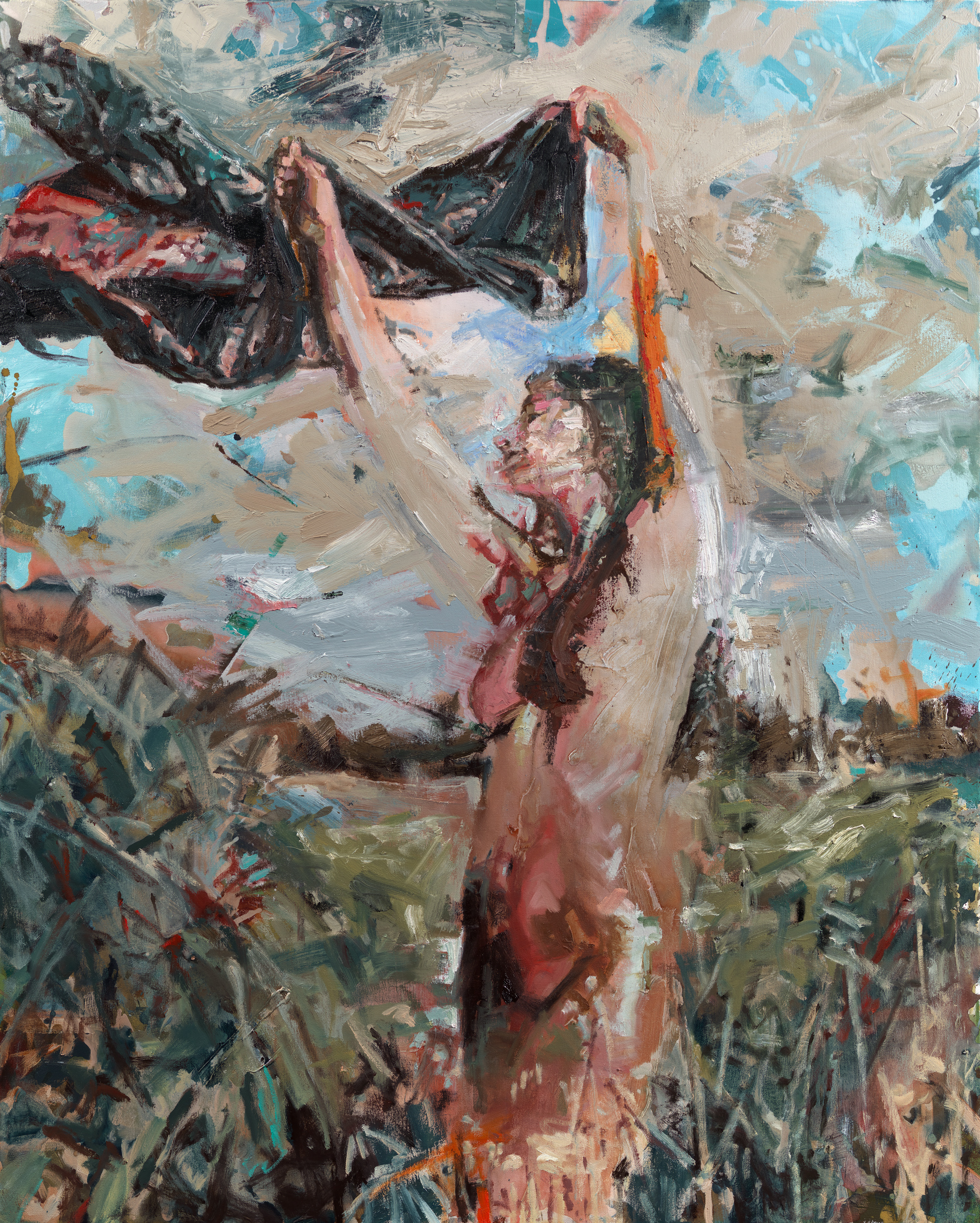
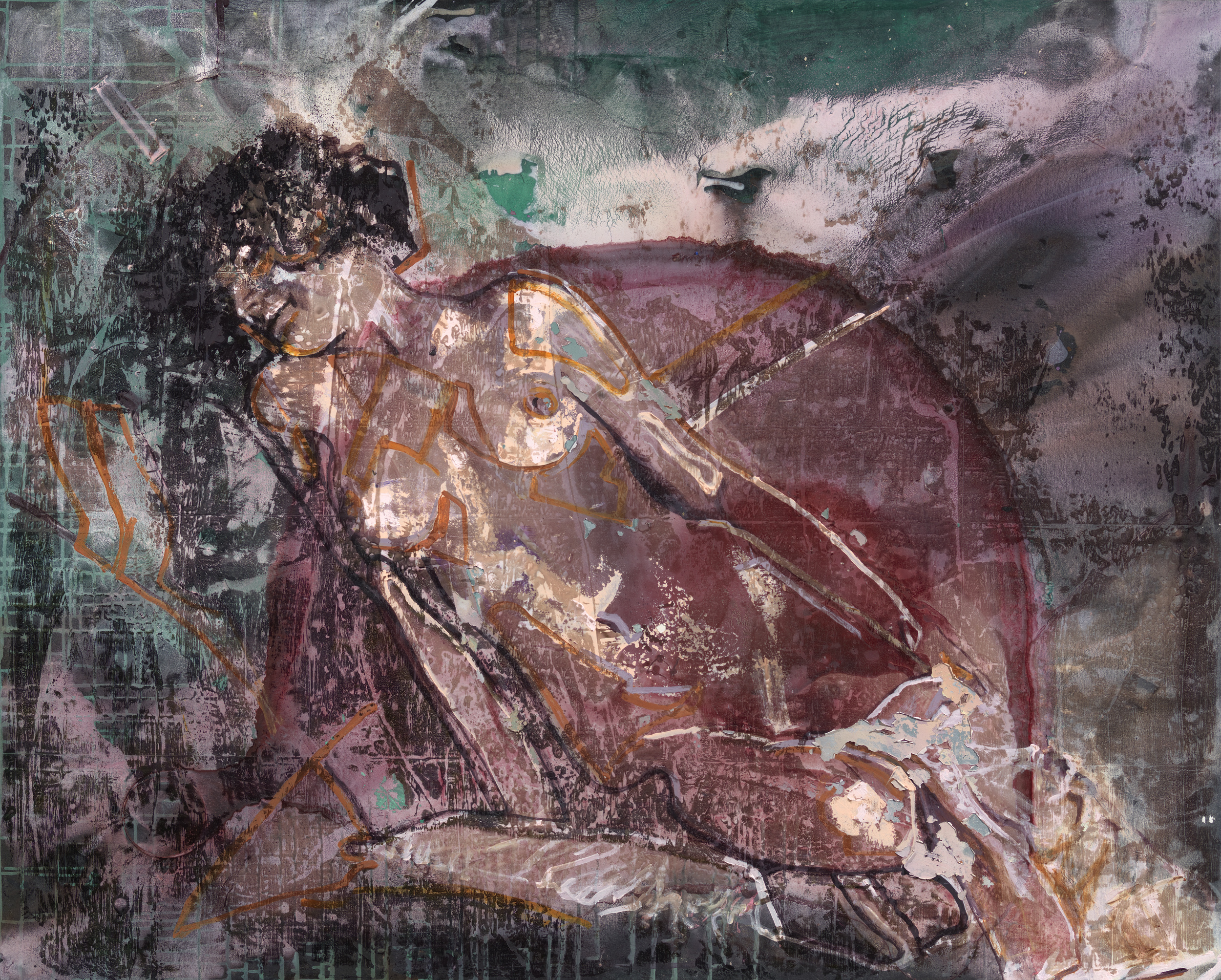
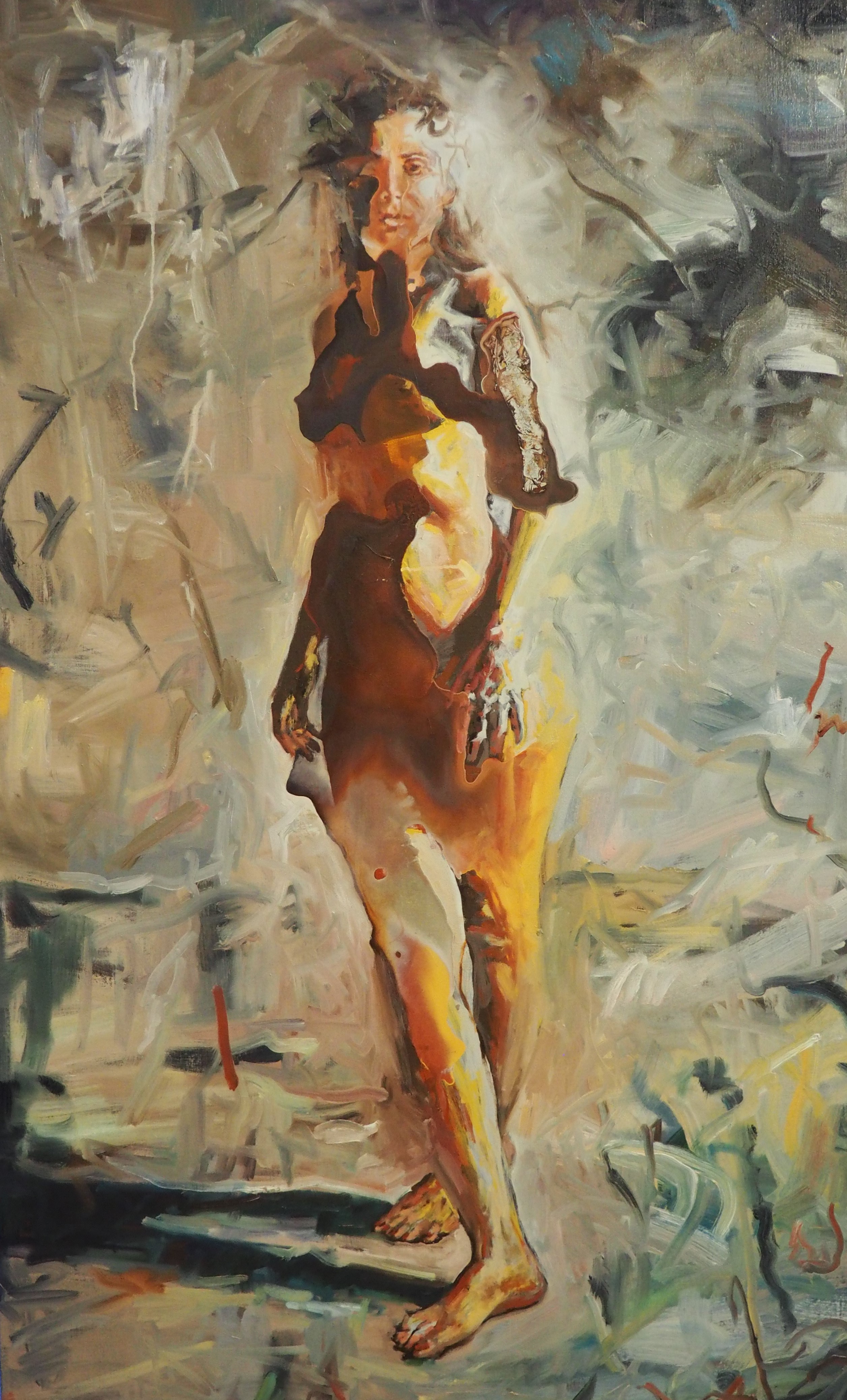
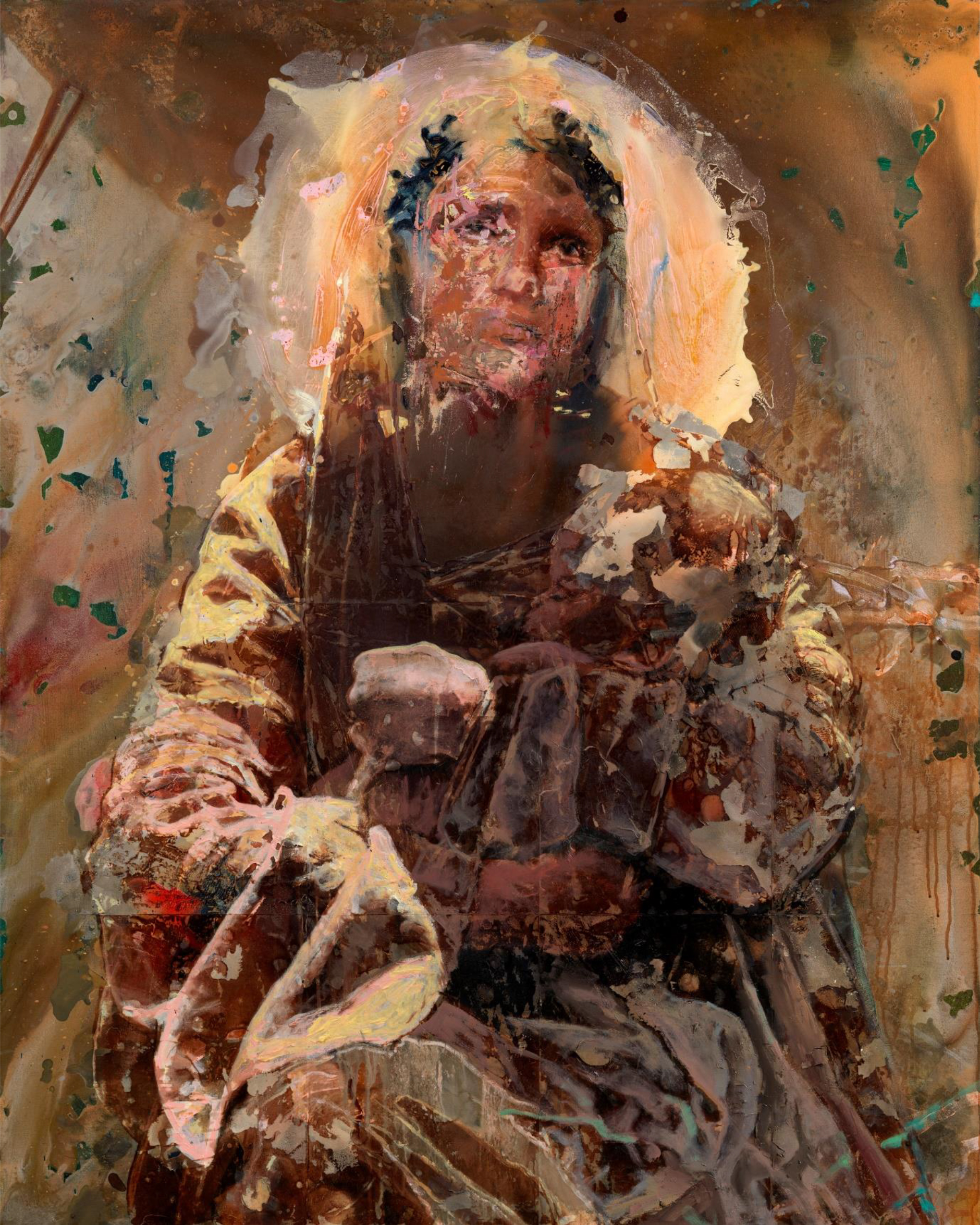
Having previously painted in fine detail, Ash admits he used to play it safe. As a result of the accident, he naturally began to execute bolder and more expressionistic brush strokes. Rising to the new challenges hidden in each work he would sometimes even turn a piece upside down, so he could reach difficult areas. Finding support initially through the Prince’s Trust, Ash was mentored by John Ritchie and worked for five years in setting himself up. He returned to University at the London Metropolitan, and produced a controversial painting of an injured Iraqi boy which sold immediately and propelled his career forwards. Covering the canvas with a repeated photograph of the boys burned face, this painting featured an extreme close up of the pastel colours in the skin. After this success, Ash decided to leave the ‘safe’ subjects behind, determined to challenge and inspire.
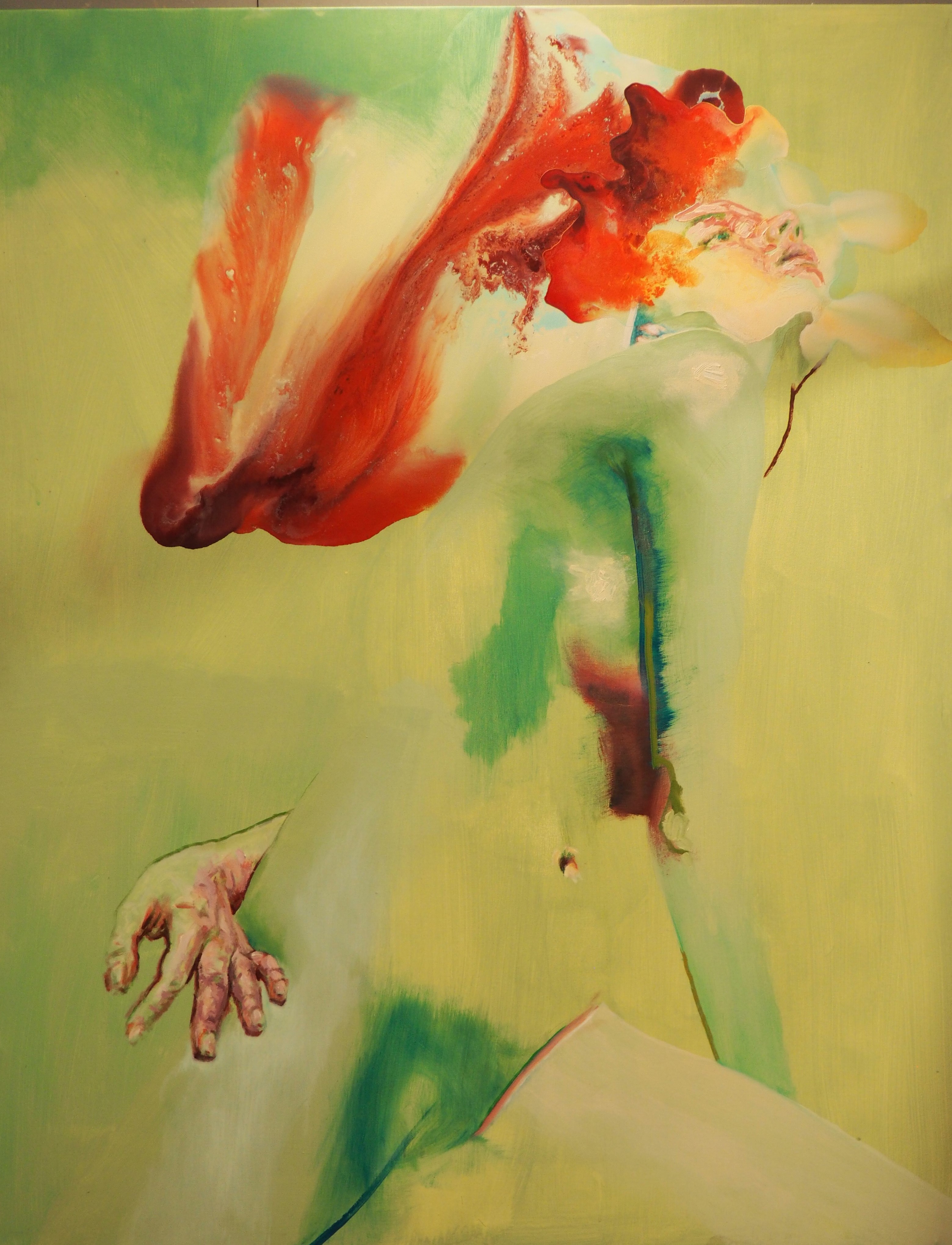
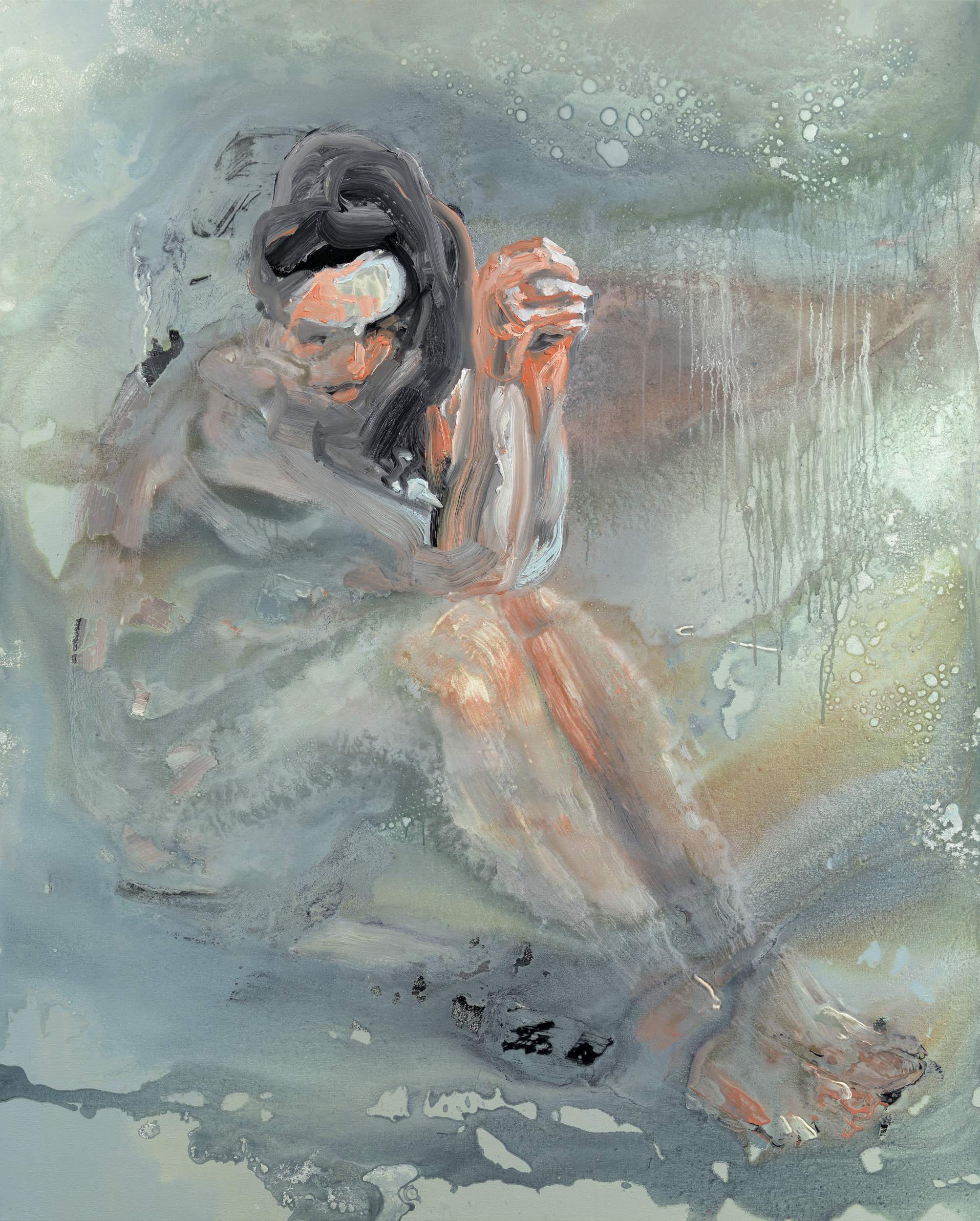
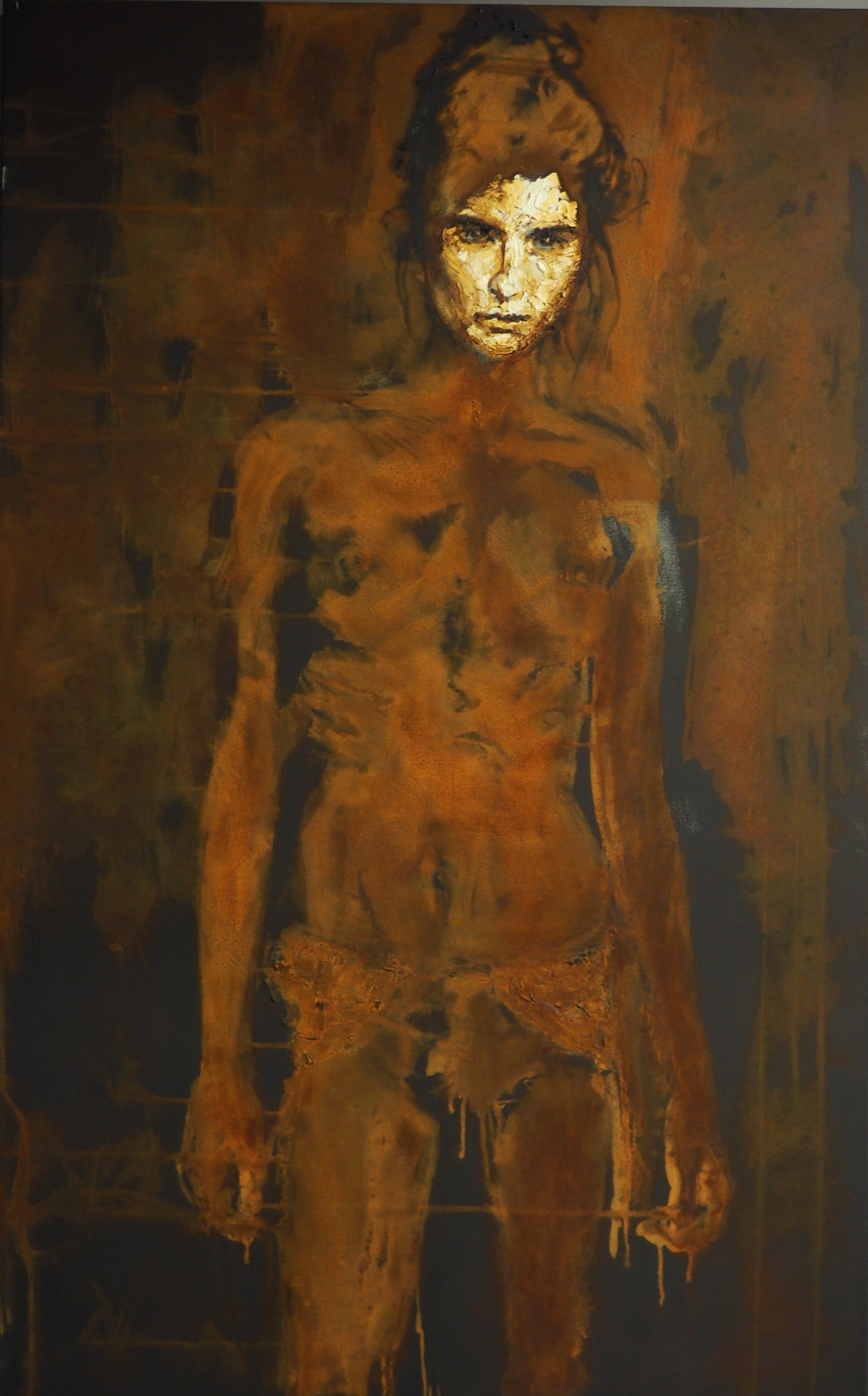
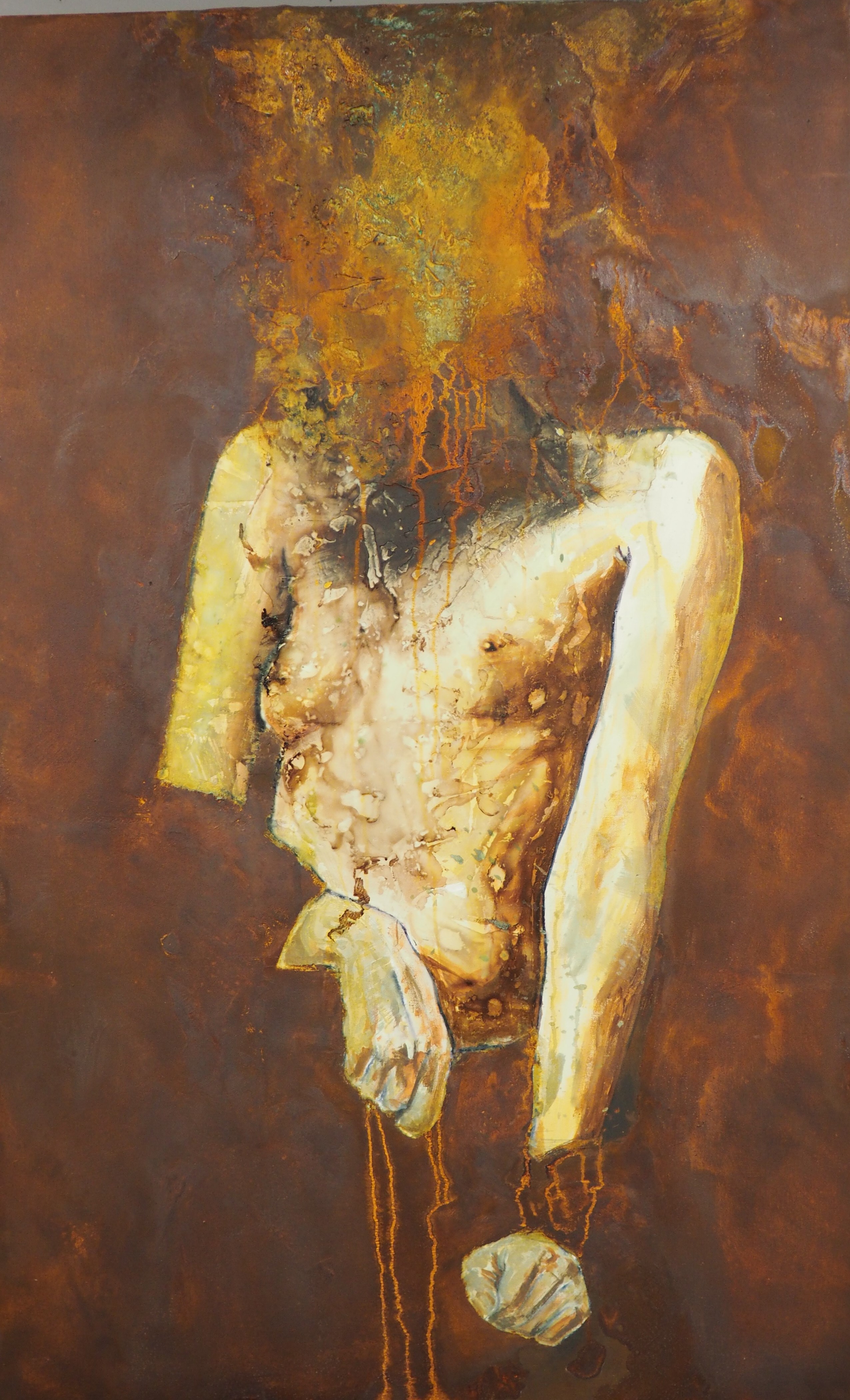
Today, his vast canvases are the foundation for layers upon layers of oil, resin and glossy photographic imagery. Western women flaunt themselves in various stages of undress while Eastern women peer out modestly from their burqas. We are forced to consider the nature of exploitation and oppression in Ash’s enhanced versions of reality. We may regard these coverings as symbols of male oppression, but what about the sexual approval sought by wearing make-up or mini-skirts? The debate always leads back to freedom of expression, and Ash himself remarks that you ‘have to let people be free- you either believe in freedom or you don’t. As bad as the problems in Iran or Syria are- this is not as big as problems which the whole world faces on a day to day basis.’ For this artist, his work allows him to process and deal with pain.